Email Deliverability 101
When a Digital PR campaign isn’t generating results, it’s natural to start questioning the story. You might revisit the headline, rethink your media list or wonder whether the research was strong enough in the first place.
But before you spend another week rebuilding a campaign, there’s something worth investigating, are your emails actually reaching journalists’ inboxes.
Deliverability is easy to overlook because so much of our attention goes into creating something worth covering. We research the idea, gather the data and write the pitch, then assume that clicking send means the journalist has an opportunity to read it.
Unfortunately, that assumption can leave you trying to fix the wrong problem.
In my previous blog How to Know When Your Digital PR Strategy Isn’t Working, I highlighted deliverability as one of the first things to check when outreach goes quiet. Here, I’ll explain what that means in practice, what I recommend investigating and how we approach it at be visible.
What Is Email Deliverability?
Email deliverability is about your ability to reach the recipient’s inbox. An email can leave your account and be accepted by the receiving server without appearing where you expect it to.
That distinction matters when you’re reviewing outreach performance. A platform reporting that an email has been delivered doesn’t necessarily establish that it reached the journalist’s main inbox or that they saw it.
For Digital PR teams, this creates a difficult blind spot. You could be pitching a relevant story to the right person, but if the message ends up in spam, you’re unlikely to receive the feedback that would help you judge the campaign fairly.
Good deliverability gives your work a better opportunity to be considered. The quality of the story, your targeting and the timing of the pitch still determine what happens next.
When Should You Investigate Deliverability?
I’d recommend making deliverability part of your regular outreach checks, but there are certain changes that should prompt a closer look.
Responses Have Dropped Across Several Campaigns
One quiet campaign doesn’t tell you very much on its own. Journalists might be busy, the news agenda might have shifted or your angle might need more work.
A decline across several unrelated campaigns is a stronger reason to investigate, particularly if those campaigns cover different topics and target different publications.
If a previously responsive outreach account suddenly becomes quiet, I’d want to understand what changed before assuming every idea had stopped working.
You’re Receiving More Bounces or Rejection Messages
Delivery failures provide useful information, so avoid treating every bounce as the same problem.
An address that no longer exists calls for a contact-list update. A message rejected because of an authentication issue requires a different response. Temporary delivery problems may need further investigation before you decide what to do.
Look at the reasons supplied with those failures and ask your email provider or a specialist for help interpreting anything unclear.
You’re Sending More Emails to Maintain Results
If your response to declining coverage is always to increase outreach, pause and review what’s happening.
You may need to improve your targeting or strengthen the story, but you should also check whether your sending practices have changed. A larger contact list, more follow-ups or several campaigns launching together can increase activity without anyone deliberately deciding to send more.
The useful question is whether the extra outreach is creating more relevant opportunities and whether your accounts are handling that activity as expected.
What Should You Check First?
Deliverability can become technical quite quickly, but you don’t need to become an email specialist to start asking useful questions.
I’d begin with your email setup, your sending activity and the quality of your contact lists.
Check Your Email Authentication
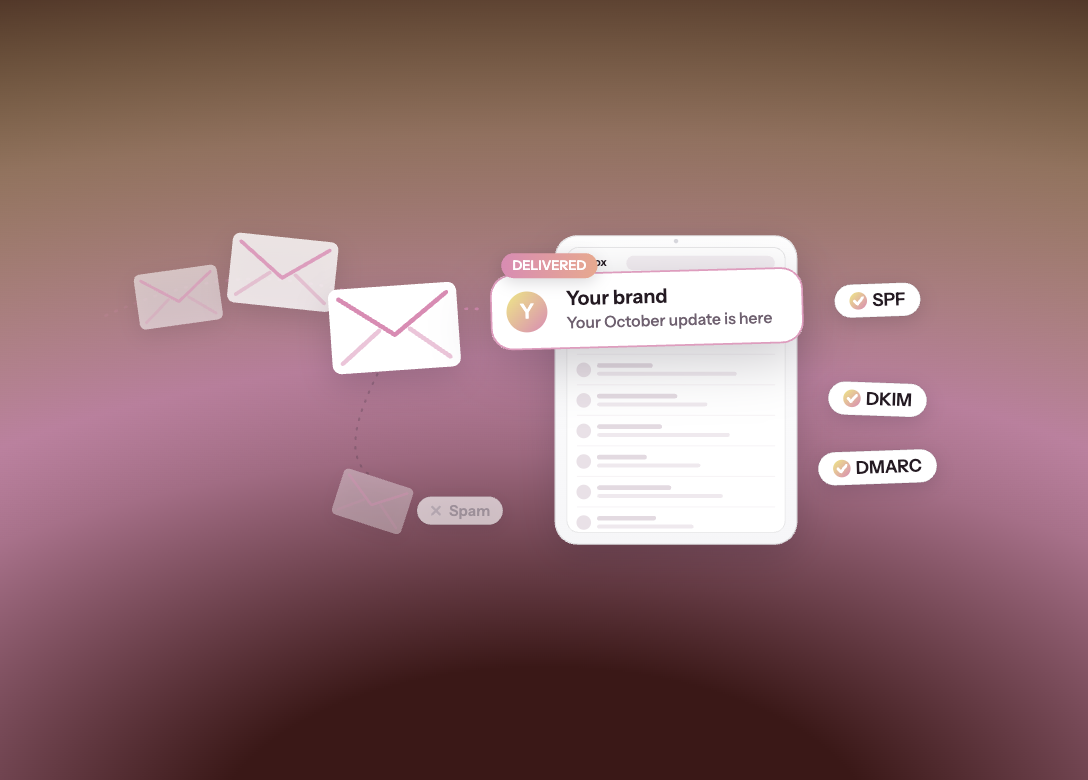
SPF, DKIM and DMARC help receiving email systems verify messages associated with your domain.
In simple terms:
- SPF identifies the servers authorised to send email for your domain.
- DKIM adds a digital signature that receiving systems can check.
- DMARC checks whether authenticated sending aligns with the visible sender domain and publishes your policy for handling failures.
Ask whoever manages your email to check these settings and confirm that messages sent through your outreach platform authenticate correctly. An account appearing connected in a tool doesn’t establish that every part of the setup is working.
Google recommends setting up all three, although its specific requirements vary according to sending volume and apply to messages sent to personal Gmail accounts.
Review How Much You’re Sending
Look at the total activity from each account, including initial pitches, scheduled follow-ups and other emails sent during the working day.
It’s easy to underestimate volume when several campaigns overlap or different team members use the same sending infrastructure.
I’d avoid treating any single daily allowance as a guarantee of good deliverability. Instead, review your provider’s limits, your account’s history and the evidence from your own sending.
Look at How Emails Are Spaced
Check whether your outreach goes out steadily or in concentrated bursts, particularly when scheduled campaigns and follow-ups run together.
Google’s sender guidance recommends consistent sending rates and gradual increases in volume rather than sudden spikes. That makes scheduling worth reviewing alongside your daily totals.
Check Your Journalist Lists
A media list needs maintenance throughout its life. Journalists change roles, move publications and stop covering particular subjects, so a contact that was useful previously may no longer be appropriate.
At be visible, verifying email addresses forms part of our process. I’d also recommend checking editorial relevance, removing permanently invalid addresses and maintaining a record of anyone who asks not to receive further pitches.
Verification helps you assess an address, but you still need to establish whether that person should receive the story.
What About Multiple Accounts and Email Warm-Up?
We use multiple email accounts and include email warm-up in our approach.
Both need to sit within a wider process. Additional accounts still require appropriate setup, sensible sending practices and ongoing monitoring. They shouldn’t become a reason to expand outreach beyond the people who are relevant to the story.
I’d also be cautious about treating warm-up as a complete solution. When introducing an account to outreach, review how activity increases and what happens to delivery as you do so. If you use an automated warm-up service, understand how it works and check its compatibility with your provider’s policies.
The useful measure is how your real outreach performs. A warm-up score alone doesn’t establish that your pitches are reaching journalists.
What Should You Do If You Find a Problem?
Once you’ve identified an issue, respond to the evidence you have.
If authentication is failing, involve whoever manages your email infrastructure. If your list contains invalid contacts, clean it before the next campaign. If delivery problems follow a change in platform or sending activity, investigate that change.
Where the cause is unclear, I’d involve a deliverability specialist rather than make several speculative changes at once.
Record what you changed and monitor the outcome. This gives you a clearer basis for deciding whether the problem has improved and helps the team recognise it if it happens again.
Make Deliverability Part of Your Campaign Reviews
Deliverability deserves attention before results dry up. Regular checks can help you identify changes earlier and make more informed decisions about what needs fixing.
When a campaign struggles, I’d review the journey from sending the email through to the journalist’s response. Establish what you can about delivery, then assess whether the pitch reached the right person with a compelling story at the right time.
That gives you a stronger basis for deciding whether to adjust your outreach, rework the angle or revisit the campaign.
Before you rebuild a campaign, check whether your pitch had a fair chance of being seen.