How to Know When Your Digital PR Strategy Isn’t Working (And What to Do Next)
Before You Blame the Strategy, Check Your Deliverability
One of the biggest mistakes you can make when a Digital PR campaign isn’t performing is assuming the idea is the problem.
You’ve spent weeks researching, gathering data, writing your release and building a media list. You send your outreach, and nothing happens.
No coverage. No replies. Not even a polite rejection.
It’s tempting to conclude that journalists simply aren’t interested, but there’s something you should investigate first: your email deliverability.
If your emails aren’t reaching journalists’ inboxes, it doesn’t matter how good your campaign is.
And with journalists receiving hundreds of pitches every day, it’s increasingly important to make sure your emails are actually getting through.
What should you be checking?
There are a few things I’d recommend looking at before making any major changes to your strategy:
- Your deliverability score: Tools such as Mailreach can help you understand whether your emails are likely to reach inboxes or end up in spam.
- How frequently you’re sending emails: Are you sending large volumes of outreach within a short period?
- How many emails you’re sending from each account: Sending too many emails from one address can cause problems.
- How similar your emails are: Sending identical emails repeatedly can contribute to deliverability issues.
At Be Visible, we’ve put processes in place to reduce these risks, including using multiple email accounts, conducting weekly deliverability checks, verifying email addresses and working with a deliverability specialist.
We’ve also invested in tools such as Instantly to manage our outreach more effectively.
These changes might not sound particularly exciting, but they’re fundamental to making sure the work we’re producing actually has a chance of being seen.
Before you change your campaign, make sure journalists are receiving it.
Five Signs Your Digital PR Strategy Needs Attention
Once you’re confident that deliverability isn’t the issue, it’s time to look more closely at how your strategy is performing.
There are five warning signs I tend to look out for.
1. Coverage Has Slowed Down or Stopped Entirely
You’re consistently pitching campaigns, but the results aren’t coming in.
A campaign that might previously have secured several pieces of coverage is now struggling to get one.
Of course, not every campaign will perform equally, and a quiet week doesn’t necessarily mean something is wrong. But if you’re seeing a sustained decline, it’s worth investigating.
2. You’re Only Getting Coverage on Low-Quality Websites
Not all coverage delivers the same value.
If you’re consistently securing placements on websites with very little authority or relevance, you need to question whether those results are helping you achieve your client’s objectives.
It’s important to look beyond the number of links you’re building and consider the quality, relevance and potential impact of those placements.
3. You’re Getting Coverage From the Same Publications
Building relationships with journalists is a huge part of Digital PR, and repeat coverage from relevant publications is certainly not a bad thing.
However, if all your links are coming from the same handful of websites, you might be missing opportunities to reach new audiences and build authority across a wider range of domains.
It’s worth asking whether your strategy is genuinely expanding your client’s visibility or simply maintaining existing relationships.
4. You’re Having to Send More Emails to Get the Same Results
This is one of the biggest warning signs.
If you previously needed to contact 100 journalists to secure a few pieces of coverage, but now you’re contacting 500 to achieve the same outcome, something has changed.
Increasing outreach volume isn’t always the answer.
Sometimes, it’s a sign that your angles aren’t resonating with journalists, your targeting needs improving or you’re relying too heavily on the same approach.
5. Journalists Are Opening Your Emails but Not Responding
If your outreach platform indicates that journalists are opening your pitches but you’re not receiving any responses, that’s another signal worth investigating.
It suggests your emails may be reaching their intended audience, but the story isn’t compelling enough to generate interest.
Open tracking isn’t completely reliable, so I wouldn’t make decisions based on this metric alone. However, alongside other performance indicators, it can help identify where things might be going wrong.
How to Turn Around an Underperforming Campaign
One of the biggest lessons I’ve learnt is that you don’t always need a completely new campaign to get better results.
In fact, some of our most successful campaigns have come from revisiting ideas that initially struggled.
When a campaign isn’t working, there are four things I’d recommend trying before abandoning it.
Reangle Your Existing Data
Just because your original headline hasn’t landed doesn’t mean the research isn’t valuable.
One dataset can contain multiple stories, each appealing to different journalists, publications and audiences.
Go back through your research and look for interesting statistics or findings that might have been overlooked.
Sometimes, the strongest story isn’t the one you originally planned to lead with.
Make Your Story More Specific
Broad campaigns can be difficult to pitch because they don’t always give journalists a clear reason to cover them.
Narrowing your focus to a particular audience, location or finding can make your story significantly more relevant.
Rather than trying to appeal to everyone, think about the specific publications and readers who would find your research most interesting.
Use Your Client’s Expertise
Not every piece of coverage needs to come from a big data campaign.
Your client might have years of industry experience, specialist knowledge or unique insights that journalists would find valuable.
Expert commentary can be a brilliant way to secure relevant coverage without the time and investment required for a large campaign.
Look for Reactive Opportunities
Sometimes, the missing ingredient is simply a reason for journalists to cover your story now.
Keep an eye on the news agenda, seasonal trends and conversations happening within your client’s industry.
A relevant news hook can give an existing campaign a completely new lease of life.
Short-Term Wins Are Important, but They Aren’t a Long-Term Strategy
Making quick changes to underperforming campaigns can help get results moving again, but it’s important not to confuse short-term fixes with a sustainable strategy.
If you’re constantly having to reangle campaigns, chase reactive opportunities or increase outreach volumes to meet your targets, there might be a bigger problem.
That’s when you need to revisit the foundations of your strategy.
And the first question I’d ask is surprisingly simple:
What problem is the client actually trying to solve?
It sounds obvious, but it’s easy to lose sight of this when you’re focused on delivering campaigns and meeting monthly targets.
Go back to the original brief.
What was the client trying to achieve when they invested in Digital PR?
Were they looking to improve organic rankings, build authority in a particular market, increase brand awareness or support wider business growth?
Then look at the KPIs you’re using to measure success.
Are you measuring the things that actually matter to the business, or are you simply reporting on the outputs you’re producing?
For example, if a client wants to increase visibility in the US, securing a large volume of UK coverage might look good in a report, but it isn’t necessarily helping them achieve their objectives.
It’s also worth looking at what other marketing teams are doing.
Digital PR shouldn’t operate in isolation from Search, social media, content or other marketing activity.
Understanding what’s working across the wider business can help you identify opportunities that you might otherwise miss.
Building a Digital PR Strategy That Delivers Long-Term Results
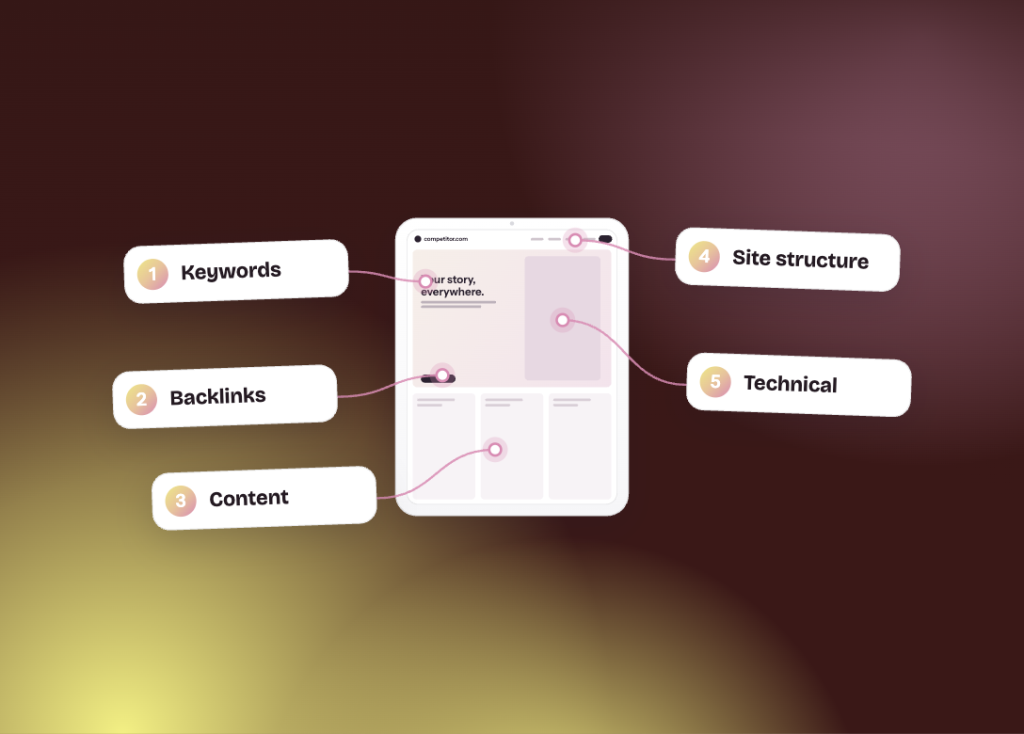
When we’re reviewing or rebuilding a strategy, there are four areas we focus on.
Understand What Competitors Are Doing
Competitor research is one of the most valuable starting points.
Look at where competitors are earning links, which publications are covering them and what types of stories are generating interest.
Are there topics they’re consistently being featured for? Are they building relationships with publications you’re not reaching?
This isn’t about copying their campaigns. It’s about understanding where opportunities exist and identifying gaps in your own strategy.
Research What Works in the Industry
Every industry is different.
The types of campaigns that work brilliantly for a travel brand might not be appropriate for a B2B technology company.
Spend time researching the stories that consistently generate coverage within your client’s sector.
Look at the formats, topics and angles journalists are interested in, and use those findings to inform your approach.
Identify the Expertise Available Within the Business
Some of the best Digital PR opportunities come from knowledge that already exists within a business.
Your client might have access to internal data, experienced spokespeople or specialist expertise that competitors can’t easily replicate.
Understanding these resources can help you create stories that are genuinely unique to the brand.
Align Your Strategy With Other Marketing Teams
Digital PR is most effective when it supports the wider marketing strategy.
That might mean working with SEO teams to identify priority landing pages and commercial topics, collaborating with social teams to understand emerging conversations, or using insights from other channels to inform campaign development.
The more connected your approach, the more opportunities you have to make your work deliver meaningful results.
The Quarterly PR Pivot Framework
All of these experiences helped shape the framework I shared at the Digital PR Summit.
It’s designed to help Digital PR teams identify problems, make improvements and ensure their strategy continues to support the client’s objectives.
There are four stages.
1. Diagnose
Before making any changes, understand what’s actually going wrong.
Check your email deliverability, review your coverage performance and look for the warning signs that your existing approach might be losing effectiveness.
Pay attention to the signals you’re receiving from journalists, including responses, feedback and the types of stories they’re choosing to cover.
The goal is to understand whether you’re dealing with an outreach problem, a campaign problem or a wider strategic issue.
2. Stabilise
Once you’ve identified the problem, look for ways to improve results without immediately rebuilding everything.
Revisit existing campaigns, explore alternative angles, narrow your targeting and identify opportunities for reactive commentary.
These smaller changes can help generate coverage while you work on developing a stronger long-term approach.
3. Re-anchor
Go back to the original business objectives.
What was the client trying to achieve? What were you originally brought in to deliver? Are your KPIs still relevant?
Make sure the work you’re doing is genuinely contributing towards those goals.
This is also an opportunity to review whether your strategy needs to evolve alongside changes within the client’s business.
4. Rebuild
Use everything you’ve learnt to develop a stronger strategy.
Research what’s working within the industry, identify new opportunities, explore different campaign formats and make sure your approach is aligned with the wider marketing team.
Most importantly, don’t be afraid to try something new.
Just because a particular approach worked six months ago doesn’t mean it will continue to deliver the same results indefinitely.
Don’t Wait Until Your Strategy Stops Working
One of the biggest mistakes you can make in Digital PR is waiting until results have completely dried up before questioning your approach.
It’s easy to get caught up in the day-to-day delivery of campaigns, particularly when you’re managing multiple clients and working towards ambitious targets.
But taking the time to review what’s working, what’s changing and where opportunities exist can make a huge difference.
That’s why I believe in building regular strategic reviews into the way we work.
A quarterly review gives you an opportunity to look beyond individual campaigns and consider whether your overall approach is still moving in the right direction.
Sometimes, that review will confirm that everything is working well.
Other times, it might highlight the need for a small adjustment or a more significant change in direction.
Either way, it’s better to identify those opportunities early than to wait until you’re struggling to deliver results.
The best Digital PR strategies aren’t necessarily the ones that never change. They’re the ones that evolve when they need to.
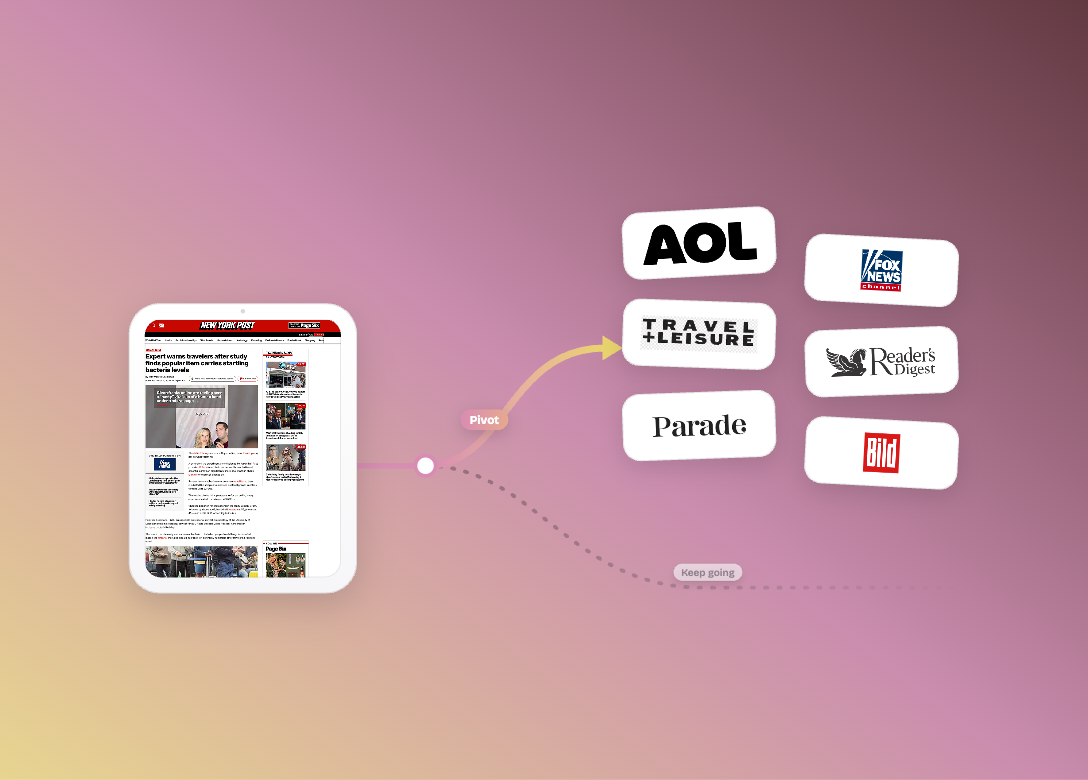
And sometimes, the difference between a campaign that fails and one that secures national coverage is simply knowing when to pivot.